Choosing a private school for your child is a decision that touches both the heart and the wallet. Tuition costs can feel intimidating at first glance, but with the right planning and a clear understanding of the resources available, private education is more attainable than most families realize. Whether you’re weighing the switch from public school or exploring local private middle schools for the first time, there are practical ways to make the investment work for your family, and compelling reasons why it pays off in the long run.
Understanding the True Cost of Private Education
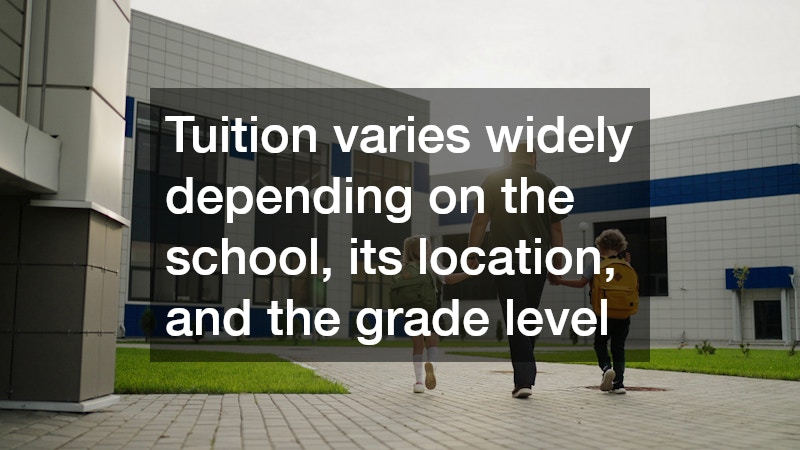
Tuition varies widely depending on the school, its location, and the grade level. Elementary programs tend to run lower than middle or high school tuition, and specialized or boarding programs sit at the top of the range.
Before assuming a school is out of reach, it’s worth requesting a full breakdown of costs, including tuition, fees, uniforms, technology, and extracurricular activities. Many families are surprised to learn that the “sticker price” isn’t what most students actually pay once aid is factored in.
Financial Aid and Need-Based Assistance
Most private schools offer some form of need-based financial aid, and many use standardized platforms to assess a family’s ability to pay. This process typically looks at income, assets, family size, and other financial obligations to determine an appropriate aid package. It’s common for families earning solidly middle-class incomes to qualify for partial assistance, so it’s worth applying even if you’re unsure whether you’ll meet the threshold. Schools want a diverse student body, and financial aid is one of the primary tools they use to build it.
Merit and Talent-Based Scholarships
In addition to need-based aid, many schools award merit scholarships for academic achievement, artistic talent, athletic ability, or leadership potential. These awards aren’t always tied to financial need, which means even families who don’t qualify for aid based on income may still reduce their costs significantly. When researching local private middle schools, ask directly about merit scholarship opportunities and the criteria used to award them, since policies differ from one institution to the next.
Tax-Advantaged Savings Options
Depending on where you live, 529 education savings plans can often be used for K-12 private school tuition, not just college expenses. Contributions grow tax-free, and withdrawals used for qualified education expenses aren’t taxed either. Starting a 529 plan early, even with modest monthly contributions, can meaningfully offset tuition costs by the time your child reaches middle school. Some states also offer additional deductions or credits for private school expenses, so it’s worth checking your state’s specific tax rules.
Payment Plans and Employer Benefits
Many schools offer monthly or quarterly payment plans instead of requiring a lump sum at the start of the year. Spreading tuition across ten or twelve months can make budgeting far more manageable for working families. It’s also worth checking with your employer, since some companies offer tuition assistance or dependent care benefits as part of their compensation packages. A quick conversation with your HR department could uncover savings you didn’t know existed.
Community and Third-Party Scholarships
Beyond the school itself, local community organizations, religious institutions, and nonprofit foundations often provide scholarships specifically for private education. These awards are sometimes underutilized simply because families don’t know they exist. A little research into community foundations, civic groups, or organizations tied to your family’s background or interests can turn up funding sources that significantly reduce out-of-pocket costs.
Why the Investment Is Worth It
Once the financial pieces are in place, the next question is whether the investment pays off, and for most families, the answer is a resounding yes. Smaller class sizes mean teachers can give students individualized attention, catching struggles early and nurturing strengths that might otherwise go unnoticed in a larger classroom. Middle school in particular is a formative stretch of a child’s academic and social development, and a supportive, well-resourced environment during these years can shape confidence and habits that last well into high school and beyond.
Private schools also tend to offer a broader range of extracurricular programs, from arts and athletics to leadership and service opportunities, giving students the chance to explore interests that build character alongside academics. Many families also value the ability to choose a school whose mission and values align closely with their own, creating a more cohesive experience between home and classroom.
There’s also a strong case to be made for the sense of community that private schools cultivate. Smaller student bodies often mean closer relationships between families, faculty, and administrators, creating a support network that extends beyond the classroom. Parents frequently report feeling more connected to their child’s education, with more visibility into daily progress and more opportunities to engage directly with teachers.
Making the Decision That’s Right for Your Family
Affording private education starts with looking past the initial price tag and exploring the full range of aid, scholarships, savings tools, and payment flexibility available to you. Every family’s financial situation is different, and the right combination of resources can make a meaningful difference in what you ultimately pay. If you’re considering local private middle schools for your child, the best first step is reaching out directly to admissions offices to ask about aid packages, scholarship opportunities, and payment options tailored to your circumstances.
The investment in private education isn’t just about tuition, it’s about giving your child an environment built around individualized attention, strong community ties, and opportunities that can shape who they become. For many families, once the numbers are broken down and the right resources are in place, that investment turns out to be far more attainable, and far more worthwhile, than they expected.