A family home is more than a place to sleep and store belongings. It is where routines develop, where children grow, and where day-to-day comfort either supports family life or quietly makes it harder. Investing in that space is not only about resale value. It is also about improving how the house functions for the people using it now, while making thoughtful choices that will continue to matter in the years ahead. A well-chosen improvement can make ordinary days run more smoothly while also strengthening the value of the property over time.
The strongest home investments usually solve practical problems first. Better layouts, stronger systems, cleaner air, safer entries, and more durable outdoor spaces can all improve daily life while also protecting the property from avoidable wear. When improvements are chosen in a sensible order, families are less likely to overspend on cosmetic ideas before they address the features that shape comfort, maintenance, and long-term usefulness. It also gives families a clearer way to decide which projects belong now and which ones can wait.
Set Priorities Before Spending
One of the best places to begin is with a broad review of how the house currently supports your family’s routines. Well-planned home remodeling services can help owners look beyond surface updates and focus on the areas that create the most daily friction, such as cramped storage, poor traffic flow, dated finishes, or rooms that no longer match how the household lives. A useful investment plan starts with identifying what the home needs to do better. The goal is to find improvements that strengthen daily life instead of simply making the house look different for a short time.
That first review should also separate wants from priorities. A room may look outdated without actually causing problems, while another area may be draining time, comfort, or money every week. When families list which spaces feel inefficient, hard to clean, unsafe, or overcrowded, they usually build a better project roadmap than they would by choosing improvements based only on trend-driven ideas or isolated inspiration photos. It also keeps the budget tied to real household needs instead of impulse decisions.
Some households also benefit from thinking beyond isolated room updates and considering whether future flexibility matters. In that situation, home building services may become part of the conversation when an addition, reconfiguration, or larger structural change would serve the family better than a series of small fixes that never fully solve the underlying space problem. Bigger planning does not always mean bigger spending, but it often means clearer decision-making. That kind of thinking can prevent years of living around limitations that the right project could solve more directly.
Protecting the structure should stay high on the list as well, because even attractive interior work can be undermined by exterior weaknesses. Conversations with local roofing companies can help homeowners understand whether age, drainage patterns, storm wear, or flashing issues should be addressed before money goes into finish materials below. A home investment lasts longer when the envelope above it is sound and ready to support everything happening underneath. Roof planning also helps families avoid the frustration of repairing finished interiors after preventable water problems develop.
Improve The Most-Used Interior Spaces
In many homes, the kitchen is where poor design shows up most clearly because the space is used constantly and by more than one person at a time. Thoughtful kitchen remodels can improve storage, circulation, lighting, and workflow in a way that changes how the household cooks, gathers, and manages busy mornings. A stronger kitchen is often one of the clearest examples of a project that improves both family routines and overall property appeal. It can also make the house feel more organized even when square footage stays exactly the same.
Bathrooms deserve the same level of attention, especially when the room feels cramped, hard to clean, or difficult for more than one generation of the family to use comfortably. A custom bathroom shower remodel can improve accessibility, visual openness, moisture control, and day-to-day convenience without requiring the footprint of the room to change dramatically. This kind of upgrade tends to matter every day because it affects both comfort and function. It can also help the room feel more current without forcing a full-house design reset.
Good indoor planning also means resisting the urge to update every finish at once. Families usually get a better result when they tie design decisions to how rooms are actually used, how long people stay in them, and which features create the most regular frustration. That approach makes the home feel more coherent over time and reduces the chance that a highly visible upgrade will be followed by regret about something more practical that was ignored. A slower, more deliberate plan usually creates a house that feels better considered from room to room.
Electrical readiness should be part of any interior investment strategy, even when the main goal seems cosmetic. Reliable local electrical services can support safer lighting plans, better outlet placement, updated switches, and the capacity needed for modern appliances, workstations, and charging needs. This work may not attract the same attention as new finishes, but it has an outsized effect on how comfortably and safely the house handles everyday use. Good power planning also makes later upgrades easier to add without reopening finished spaces.
Strengthen Comfort And Everyday Function
Healthy airflow is another area where long-term value often hides in plain sight. Scheduling duct cleaning can help remove accumulated dust and debris that may affect circulation, indoor cleanliness, and how efficiently conditioned air moves through the home. For families trying to make the house feel fresher without major reconstruction, this kind of maintenance-oriented investment can complement larger upgrades and improve the environment people experience each day. Cleaner air pathways can also make it easier to tell whether future comfort issues are coming from equipment, insulation, or airflow design.
Daily access matters more than many homeowners realize, especially when the garage serves as a primary entrance, storage area, or buffer from bad weather. Quality garage door installations can improve convenience, insulation, security, and curb appeal while making one of the home’s most-used moving parts more dependable. An upgrade in this area is often less about style alone and more about reducing hassle in a space the whole family relies on regularly. It can also reduce the low-level annoyance of a door that is noisy, unreliable, or poorly sealed.
System-related projects also benefit from timing. A family may get more value by coordinating air, electrical, and access improvements around the same stage of the plan instead of spreading them out randomly over several years. Grouping the right projects together can reduce disruption, simplify scheduling, and make it easier to judge how the home is really functioning once the work is complete. Thoughtful sequencing often saves as much stress as it saves money.
The exterior deserves attention too, because the land around the house shapes both first impressions and everyday use. Consistent lawn care can make the property feel more inviting, but it also supports drainage visibility, safer walking areas, and a more manageable yard for family activities. Outdoor upkeep is often dismissed as purely cosmetic, even though it strongly affects how livable and cared-for the home feels from week to week. A well-kept yard can also make families more likely to use and enjoy the property they already have.
Use Outdoor Upgrades To Support Daily Life
At the same time, well-planned outdoor surfaces can increase how much usable space the property offers. A practical hardscaping service can help families add paths, patios, retaining features, or seating areas that reduce mud, improve transitions around the house, and create places where people actually want to spend time. The best outdoor investments usually connect appearance with convenience instead of chasing decoration for its own sake. Practical surfaces often do more for family use than elaborate features that are rarely enjoyed.
Exterior protection should return to the conversation as projects expand, especially if the house is older or has gone through several storm seasons without a close review. local roofing companies can also play a role in long-term planning by helping homeowners think about drainage, attic health, and the timing of future replacement needs before interior upgrades make roof-related surprises more expensive to deal with. Prevention protects every other investment beneath it. That broader perspective can make yearly maintenance decisions much easier to prioritize.
Outdoor improvements should also be matched to the household’s real habits. A family that spends evenings outside may benefit from one kind of project, while a household with young children, aging relatives, or a steep lot may need very different priorities. Choosing improvements around actual use patterns usually leads to spaces that feel genuinely supportive rather than merely finished. Projects tend to hold their value better when they solve real-life needs instead of theoretical ones.
Power planning should not be limited to the kitchen or bathrooms. As homes take on more devices, remote work demands, outdoor lighting, and charging needs, local electrical services often become important in rooms and exterior zones that were not designed for how families use them today. This kind of upgrade supports safety, convenience, and future adaptability, which makes it one of the more practical long-term investments a homeowner can make. It also gives owners more confidence that the next round of upgrades will not overload older assumptions built into the house.
Plan For Long-Term Flexibility
Not every worthwhile upgrade has to be structural or mechanical. Sometimes the best return comes from improving the rooms where the family spends the most time together. Smartly timed kitchen remodels can be part of that strategy when the goal is to reduce clutter, improve movement, or create a space that better supports shared meals, homework, and daily conversation. Function tends to matter just as much as finish in the rooms people use most. Small changes in a central room can reshape the rhythm of the whole day.
Long-range planning can also reveal when a larger move is more efficient than several smaller projects spread over time. In some cases, home building services make sense as part of a phased plan when the family expects future needs such as a larger primary suite, expanded living area, or additional space for multigenerational living. Planning for adaptability early can reduce the cost and disruption of trying to solve those needs later under pressure. Bigger planning can be more cost-effective when it prevents repeated partial fixes.
Maintenance investments deserve a place in annual planning too. A homeowner who schedules duct cleaning as part of a regular care cycle may find it easier to protect indoor comfort, support HVAC performance, and keep dust from undermining the effect of other interior upgrades. A house usually holds its improvements better when routine care is treated as part of the investment strategy instead of as a separate afterthought. Regular maintenance often does more to preserve value than another decorative purchase.
Entry points and utility spaces also have long-term value when they are upgraded with real use in mind. Durable garage door installations can strengthen security, improve weather resistance, and make storage or parking areas easier to rely on through every season. This kind of project may not feel glamorous at first, but it can improve the daily rhythm of leaving, arriving, loading, and managing the household over time. Dependable access is a larger quality-of-life upgrade than many homeowners expect.
Finish With Investments That Age Well
A bathroom project can also serve a different purpose later in the planning cycle. For some families, a custom bathroom shower remodel becomes less about style and more about creating a room that supports aging in place, easier cleaning, or better use by people with changing mobility needs. When an upgrade is tied to comfort across different life stages, it tends to feel like a smart investment rather than a temporary trend. That kind of planning often makes a family home more comfortable for longer without requiring another major disruption later.
Outdoor upkeep should also be viewed through a long-term lens. Regular lawn care can protect curb appeal, but it can also help families notice grading problems, soggy areas, bare spots, or drainage changes before those small issues affect patios, foundations, or play areas. Paying attention to the yard often reveals how the entire property is functioning, not just how it looks from the street. A healthy landscape can be both a visual benefit and an early warning system.
Hard surface planning has a similar long-term role. A thoughtful hardscaping service can support drainage, reduce erosion, improve access, and create cleaner transitions between the house and yard in ways that continue paying off after the visual novelty wears off. Good hardscape choices are not only about having a patio or path. They are about making the property easier to use, safer to move through, and less demanding to maintain. Those practical benefits often outlast the first visual impression of the project.
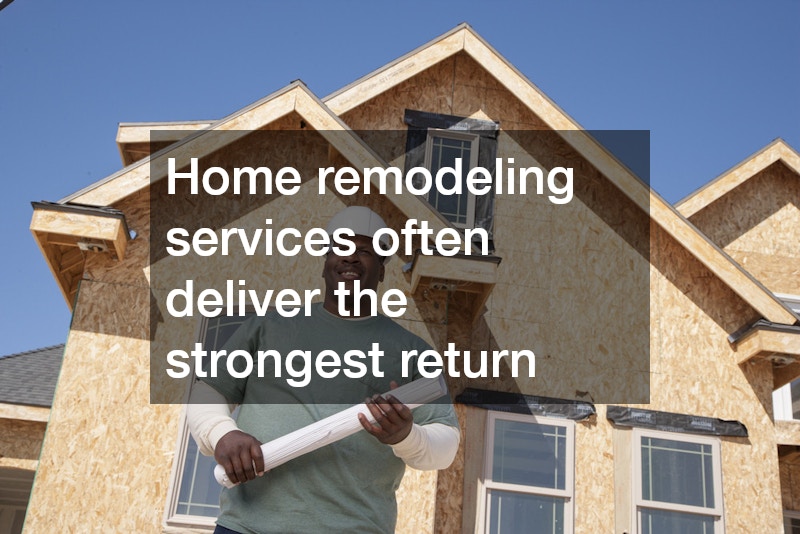
Families often start with one room or one system, then gradually realize that the real value comes from connecting improvements into a larger plan. That is where home remodeling services often deliver the strongest return, because the most useful investments are usually the ones that help the house function better as a whole. When comfort, safety, flexibility, and daily ease guide the process, investing in the family home becomes less about chasing upgrades and more about building a better place to live. The goal is not simply to spend on the house. It is to improve how the home supports the people in it.